
UK Textiles Pact Publishes Ten-Point Blueprint for Textiles EPR Reform
The UK Textiles Pact has unveiled a ten-point industry blueprint calling for the introduction of a mandatory Extended Producer Responsibility (EPR) scheme for textiles in the UK. The plan sets out a clear pathway to address the growing used-textiles crisis while supporting a more circular, resilient fashion and textile industry.
Developed with input from stakeholders across the UK textiles value chain and published by environmental NGO WRAP, the Blueprint builds on insights from existing international EPR models. It reflects strong consensus across industry that urgent Government action is needed to prevent further strain on charities, local authorities, and waste infrastructure. Without reform, the cost of managing used textiles is forecast to rise to £200 million per year by 2035, alongside increasing landfill and job losses.
The Blueprint responds to mounting volumes of low-value and hard-to-recycle clothing entering the waste stream, with almost 50% of used textiles currently disposed of in household bins. Industry leaders argue that a mandatory EPR scheme is essential to rebalance responsibility, ensure producers contribute to end-of-life costs, and unlock long-term investment in reuse and recycling systems.
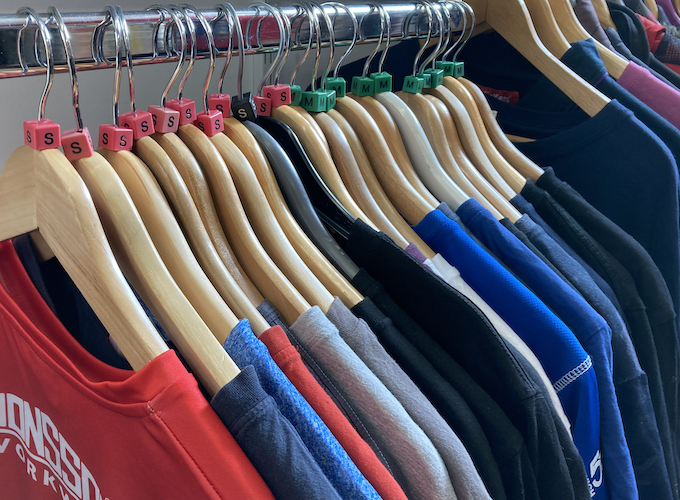
Ten Priority Actions for a UK Textiles EPR Scheme
The Blueprint recommends that Government and industry work together to:
- Introduce legislation within the current Parliament to mandate a UK Textiles EPR scheme.
- Establish a single, non-profit, industry-led Producer Responsibility Organisation (PRO) representing the full textiles value chain.
- Deliver one coherent scheme covering all four UK nations.
- Phase products into scope over time, supported by clear milestones for different textile categories.
- Harmonise the definition of “producer” with EU standards and existing UK EPR frameworks such as WEEE.
- Ringfence EPR revenues for reinvestment into collections, sorting, reuse, recycling, and consumer engagement, with fees charged on a per-item basis.
- Apply eco-modulated fees to reward improved product design, durability, and material choices.
- Place reuse ahead of recycling to maximise environmental and social outcomes.
- Assess the potential for a voluntary add-on mechanism to responsibly support Global South textile management once UK infrastructure is established.
- Give the PRO a clear role in scheme enforcement to ensure compliance and a fair competitive landscape.
Why Action Is Urgent
The Blueprint warns that failure to act could result in an additional 2.5 million tonnes of CO₂e emissions per year, driven by increased landfill and incineration. In contrast, a well-designed EPR scheme would deliver environmental benefits while stabilising the used-textiles sector, supporting local authorities, protecting charitable income, and creating green jobs across the UK.
Organisations including WRAP, UK Fashion & Textiles Association (UKFT), the British Retail Consortium, the British Fashion Council, and WEFT have confirmed their readiness to collaborate with Government on next steps. Together, the ten-point blueprint provides a practical, industry-backed framework to ensure a UK Textiles EPR scheme is effective, equitable, and transformative for the future of fashion and textiles.